Waves In Ice
Custom wave monitoring systems designed for Antarctic sea ice — deployed internationally and published in Nature.
Research Background
Research by the National Institute of Water and Atmospheric Research (NIWA) in New Zealand has revealed that large ocean waves, particularly those over 3 metres, can travel hundreds of kilometres into Antarctic sea ice, acting as a major force in breaking up ice floes and accelerating retreat. This phenomenon explains how storm swells in the Southern Ocean significantly impact the stability and extent of polar ice.
Key Findings
- Significant Impact Range: Large waves from the Southern Ocean can penetrate and break sea ice up to 350–500 km from the ice edge.
- The “3-Metre” Threshold: Waves smaller than 3 metres generally have their energy dissipated quickly, but waves larger than 3 metres create a sustained, destructive oscillation in the ice pack.
- Mechanism of Breakup: As waves pass through the Marginal Ice Zone (MIZ), they break the ice into smaller pieces. These smaller floes are then more easily deformed and broken further by winds and currents.
- Impact on Ice Extent: Increased storminess and larger wave heights in the Southern Ocean are linked to increased breakup and retreat of sea ice, particularly near the Antarctic Peninsula.
- Role in Climate Change: This research bridges the gap in understanding why some areas of sea ice grow while others recede, highlighting that wave-driven ice fracturing is a key, previously underestimated factor in climate models.
- Innovative Methodology: Due to harsh conditions, earlier studies were limited. NIWA scientists used specialised, robust, autonomous equipment to measure the effects of these waves directly from the ice, including during and immediately after large storm events.
This research, largely published in Nature in 2014, fundamentally changed the understanding of how ocean dynamics affect the longevity of sea ice.
External Links
Hardware
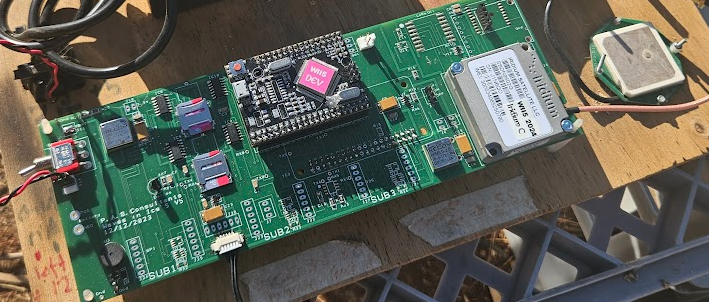
A board in testing
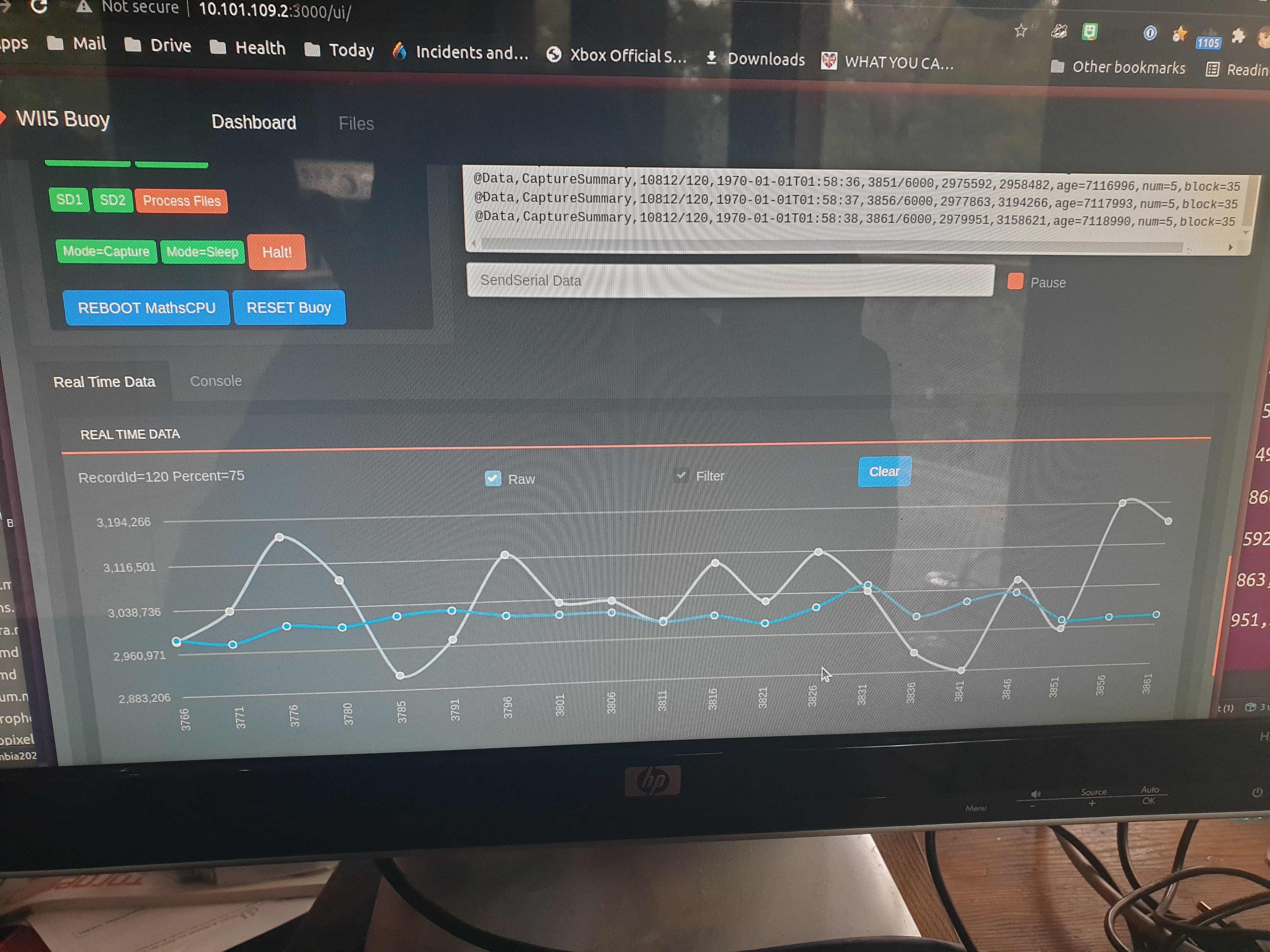
Embedded full test suite
Deployment
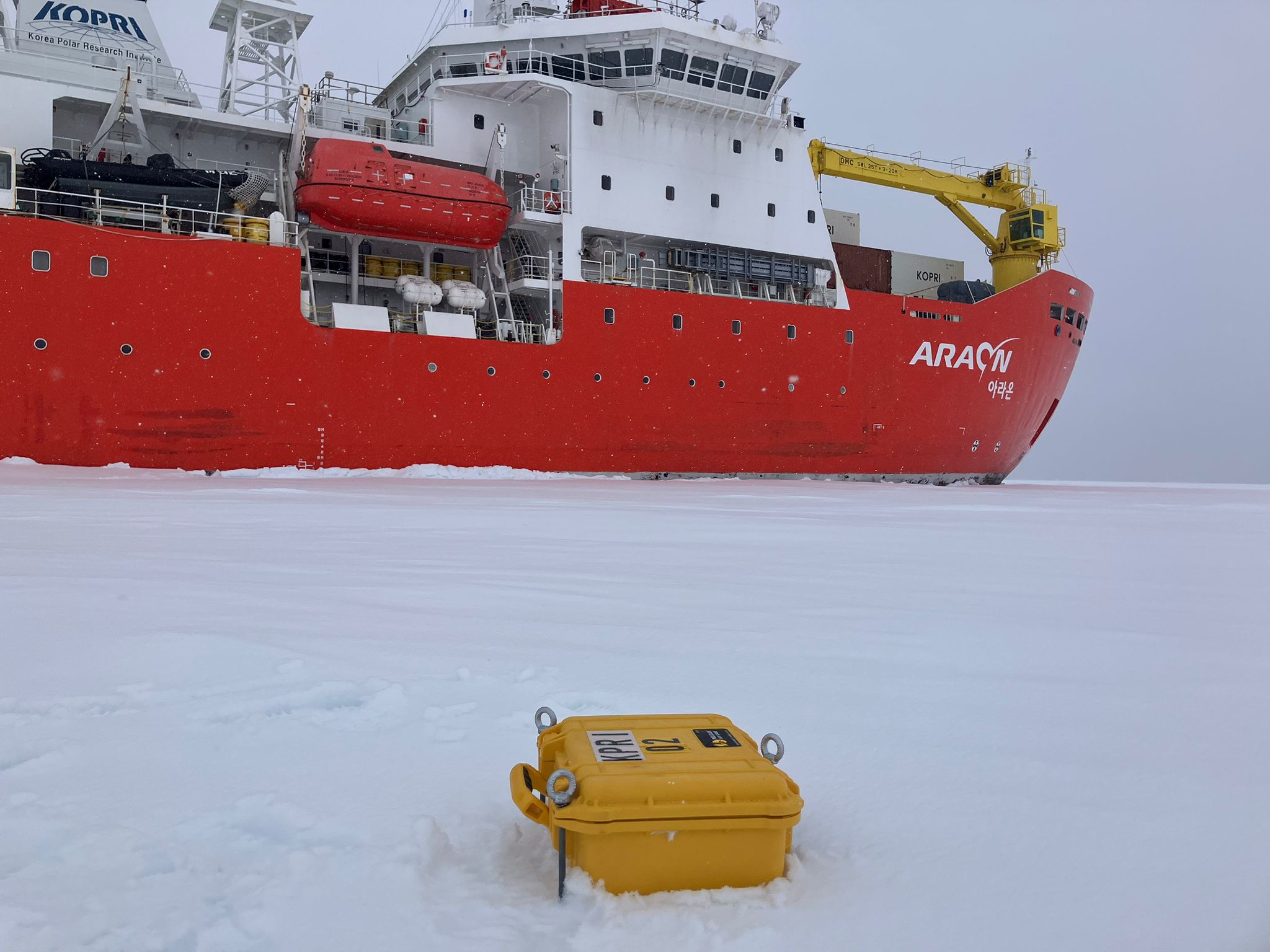
Kopri - a custom wave monitoring system designed for Antarctica deployed in 2026.
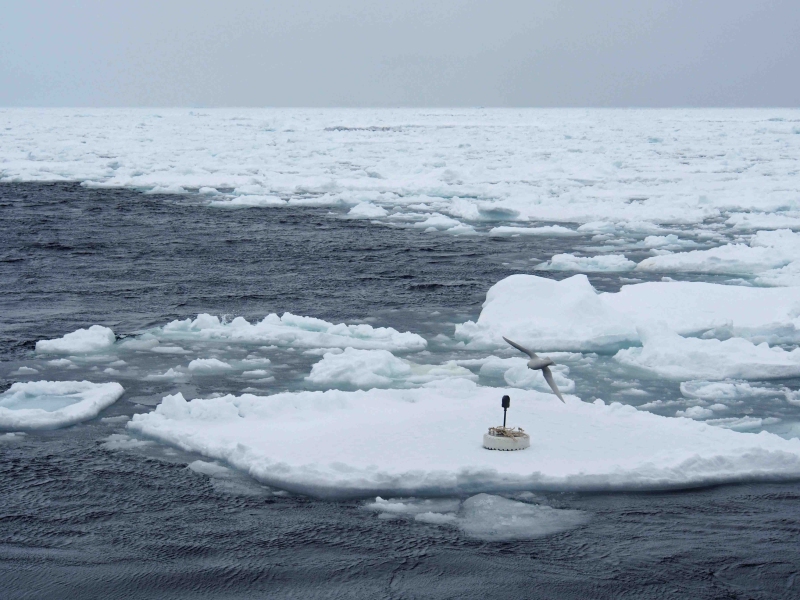
A wave measurement buoy deployed on Antarctic sea ice.
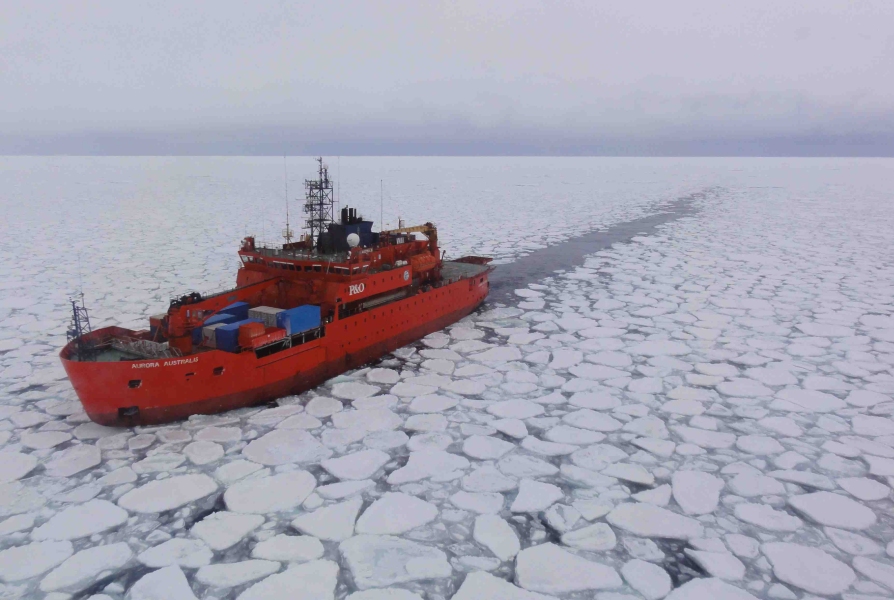
The Aurora Australis navigating through Antarctic sea ice during buoy deployment.