Dashboards, APIs and Authentication
The server side of a monitoring system
Dashboards for the data that comes back from the field, the APIs behind them and the sign-in system in front, running on anything from a Raspberry Pi to a full server.
Dashboards
Real-time monitoring, firmware management and device configuration.
- Local data: dashboards connect directly to your hardware and data sources
- Any size: from compact embedded displays to full-screen monitoring walls
- Always on: designed for continuous operation with automatic logging
For a dashboard served by the device itself, see Embedded Dashboards.
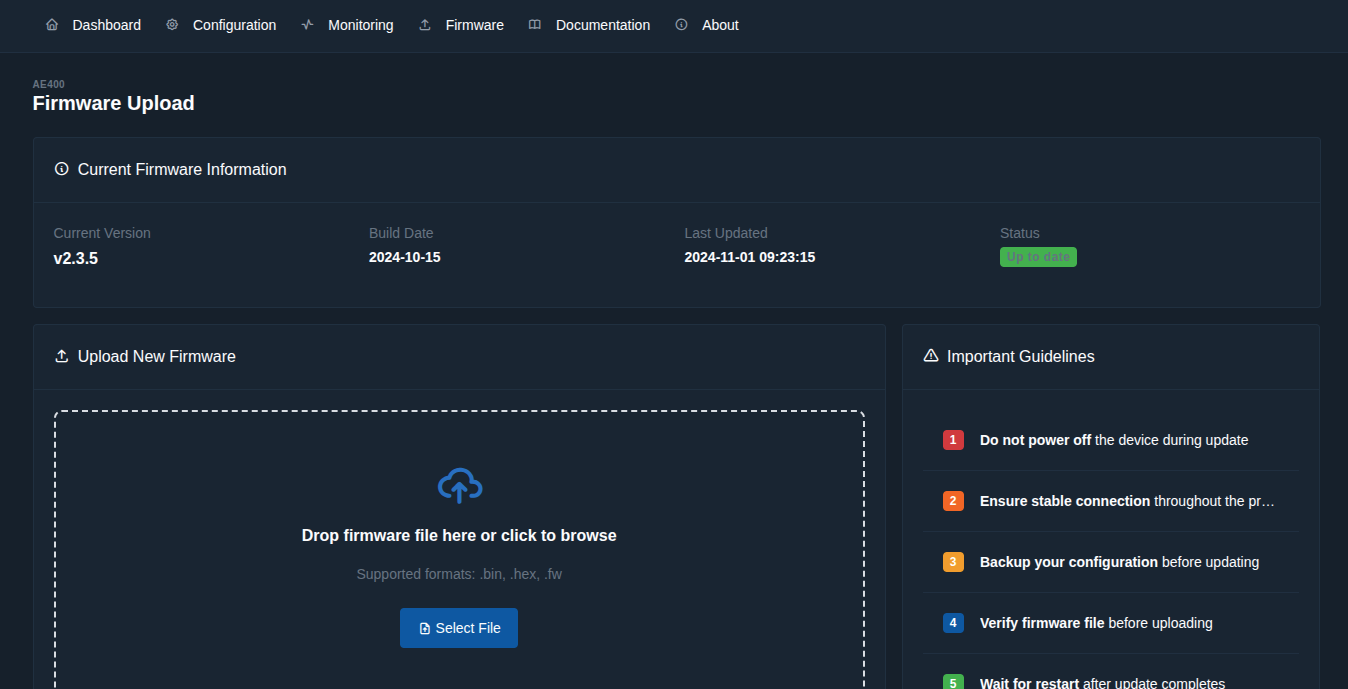
Firmware upload and management
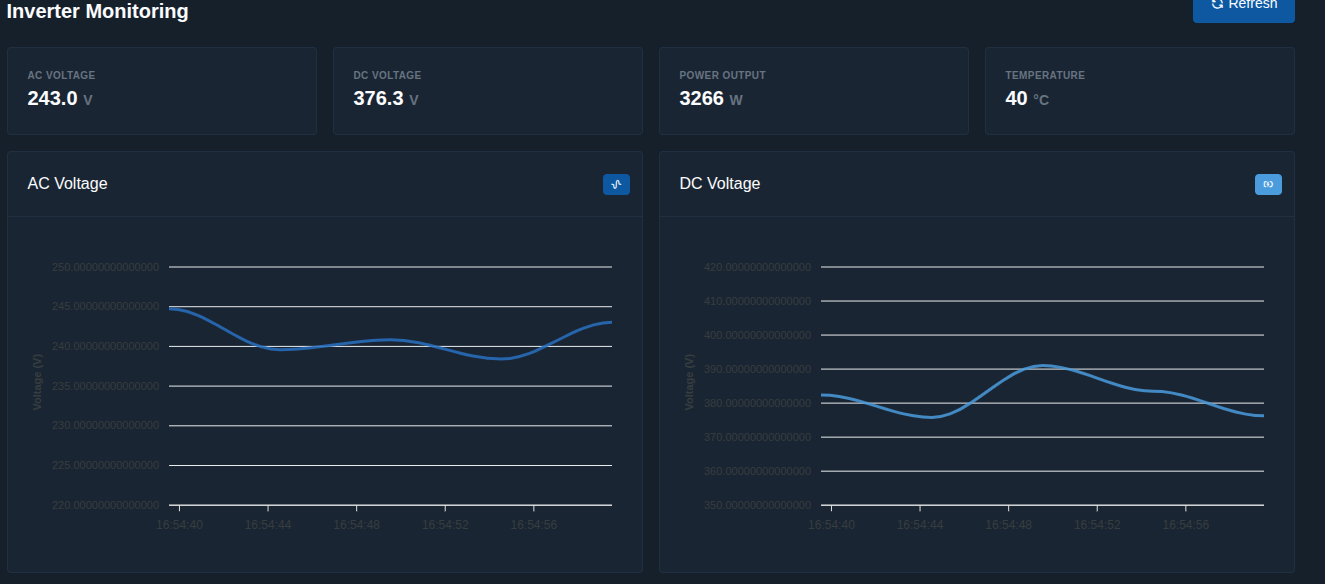
Real-time monitoring
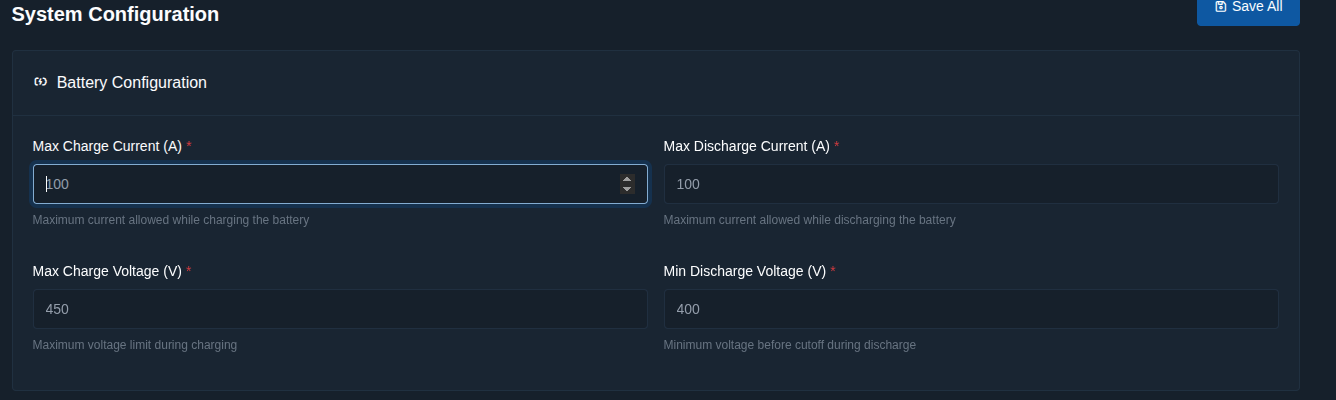
Device settings and configuration
APIs
REST APIs for internal integration and for external clients, built to fit existing systems and data sources.
- Documentation generated from the code, so it stays current
- Authentication: token-based, role-based or custom schemes
- Load control: rate limiting and queuing
- Testing tools: built-in test interfaces for development and QA
- Versioning, so older clients keep working as the API changes
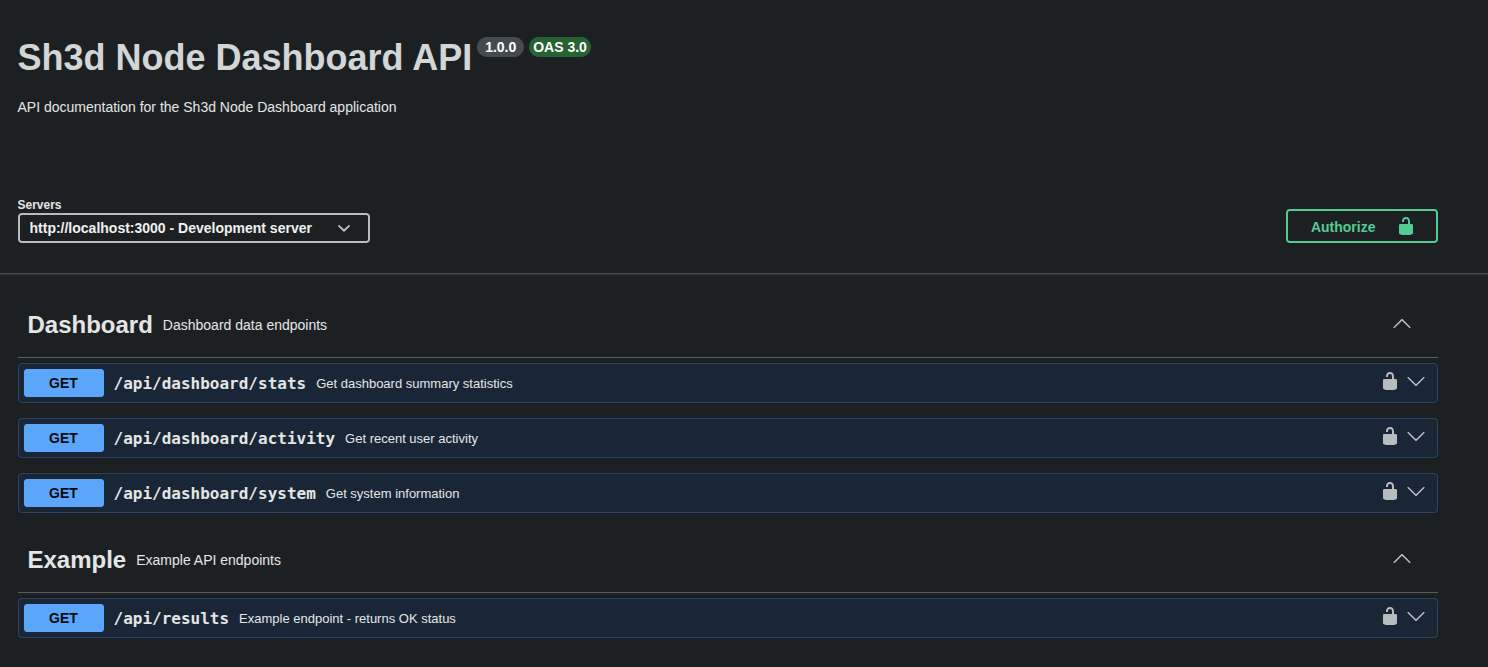
Built-in API documentation and interactive testing interface
Authentication
One identity system across several sites, with one place to manage users and the same login on each site.
- Sign-in methods: magic-link sign-in and multi-factor authentication, with token-based, session-based or custom flows
- Role-based access control throughout, with step-up challenges and per-site enforcement
- Admin dashboards for user administration, role assignment and database inspection
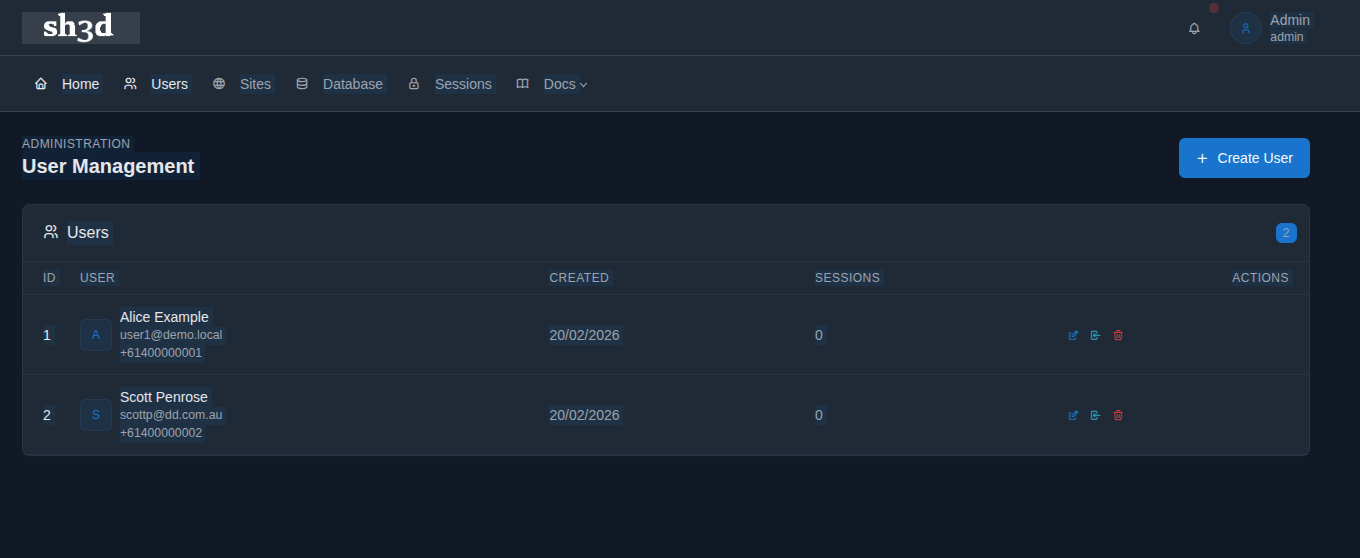
User management: view and edit user details, roles and permissions
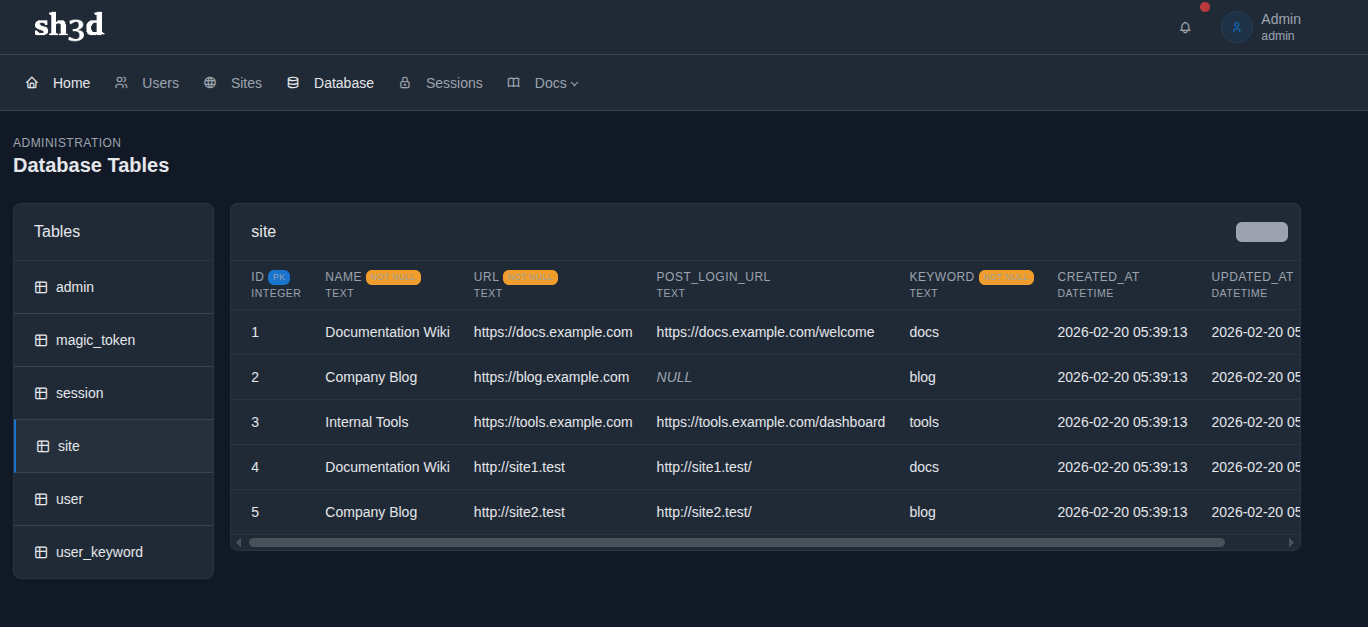
Custom database views and tables for direct data inspection